
ARD Committee Meetings, Understanding Parent Rights
Highlights the value of strong educator-parent collaboration to better support the needs and success of students with disabilities.
ARD Committee Meetings, Understanding Parent Rights

Transition, Understanding Parent Rights

Understanding Parent Rights, New to Special Education

Understanding Parent Rights, New to Special Education, Dispute Resolution

Understanding Parent Rights, New to Special Education
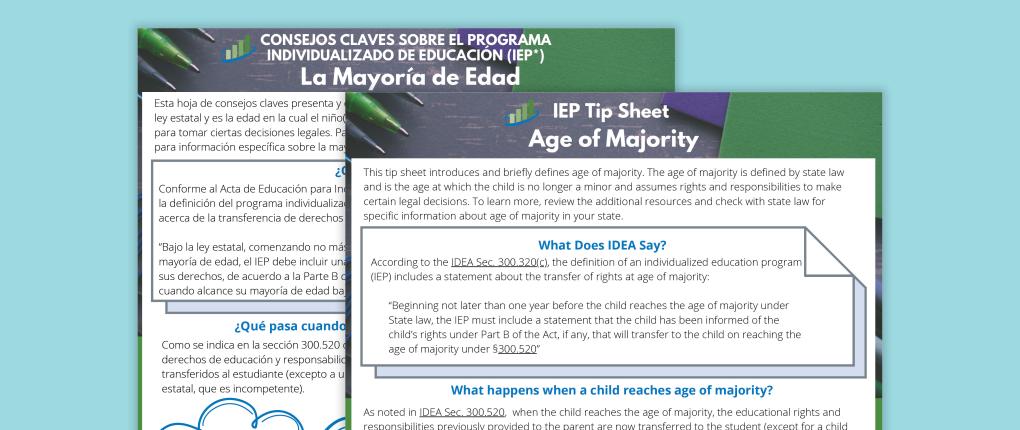
Transition, Develop the IEP, Understanding Parent Rights
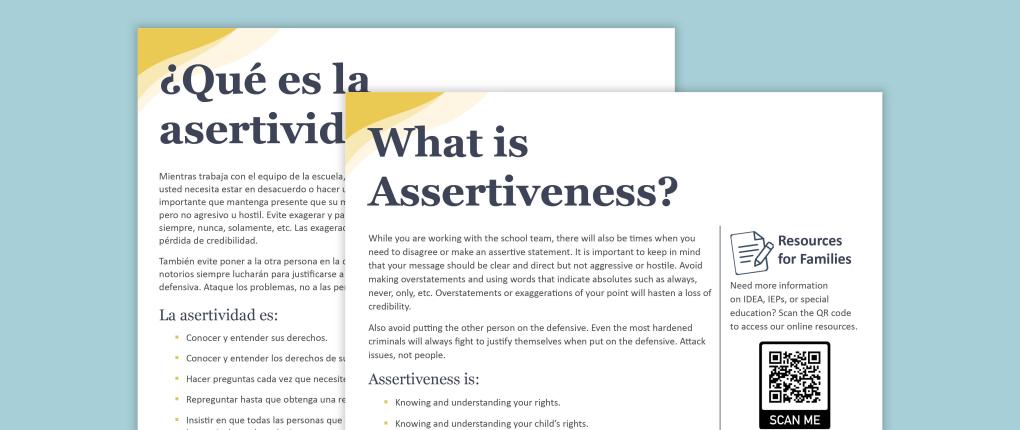
New to Special Education, Understanding Parent Rights

New to Special Education, ARD Committee Meetings, Understanding Parent Rights
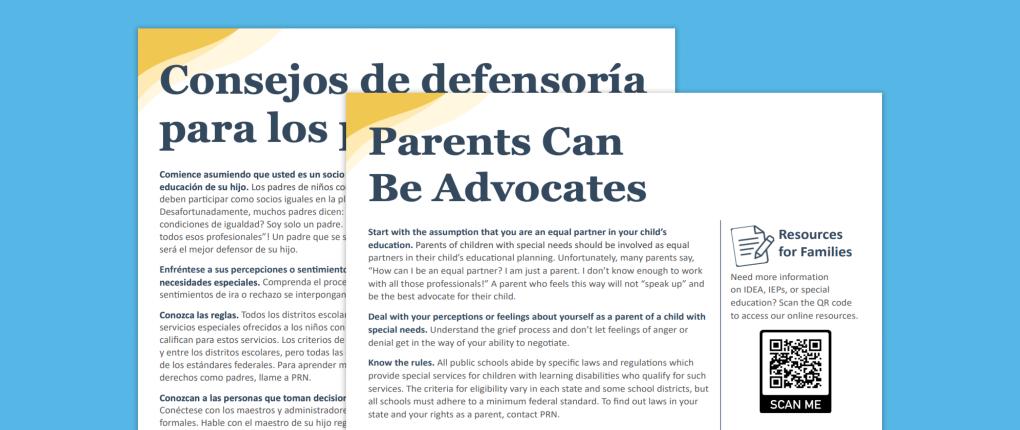
Dispute Resolution, ARD Committee Meetings, Understanding Parent Rights

New to Special Education, Understanding Parent Rights

Develop the IEP, Additional Resources, Understanding Parent Rights
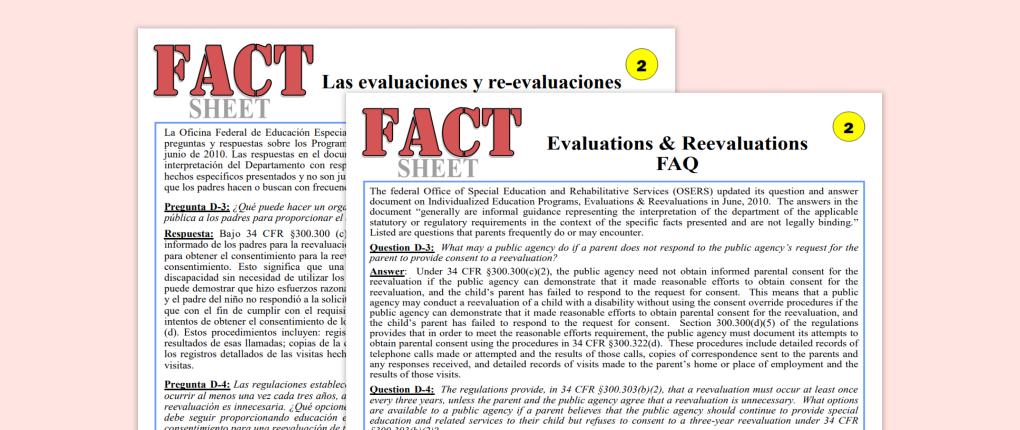
Evaluation, Consent to Evaluate, Understanding Parent Rights

Dispute Resolution, Understanding Parent Rights, ARD Committee Meetings

New to Special Education, New to Texas, Transition, Understanding Parent Rights

Dispute Resolution, Determine Eligibility, Understanding Parent Rights
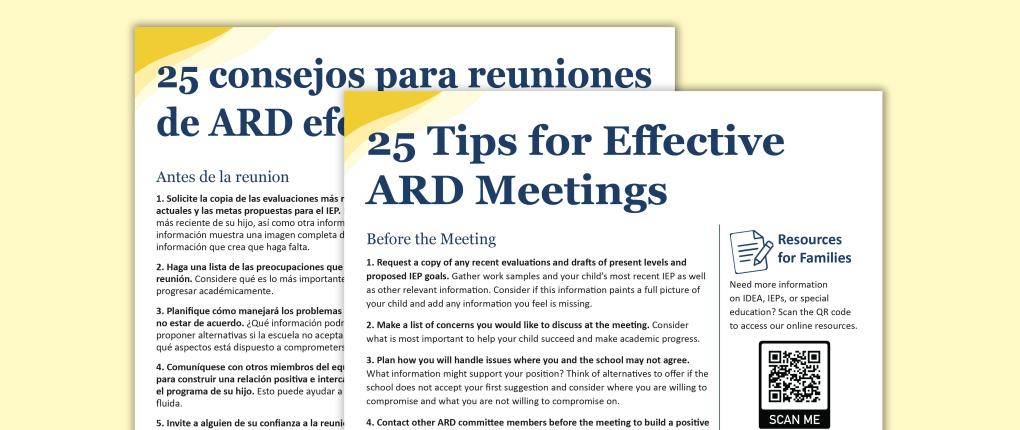
ARD Committee Meetings, Understanding Parent Rights, New to Special Education, New to Texas

New to Special Education, New to Texas, Understanding Parent Rights

Understanding Parent Rights, New to Special Education
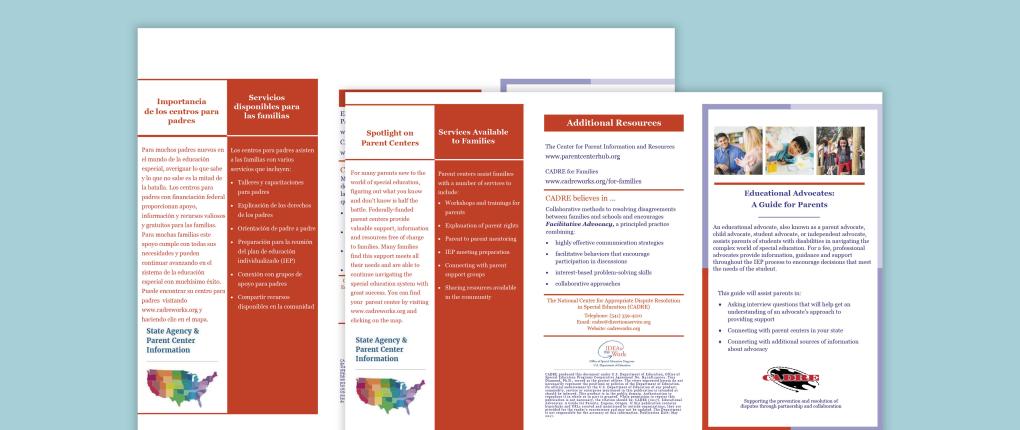
Dispute Resolution, Understanding Parent Rights, ARD Committee Meetings

Understanding Parent Rights

Understanding Parent Rights, New to Special Education
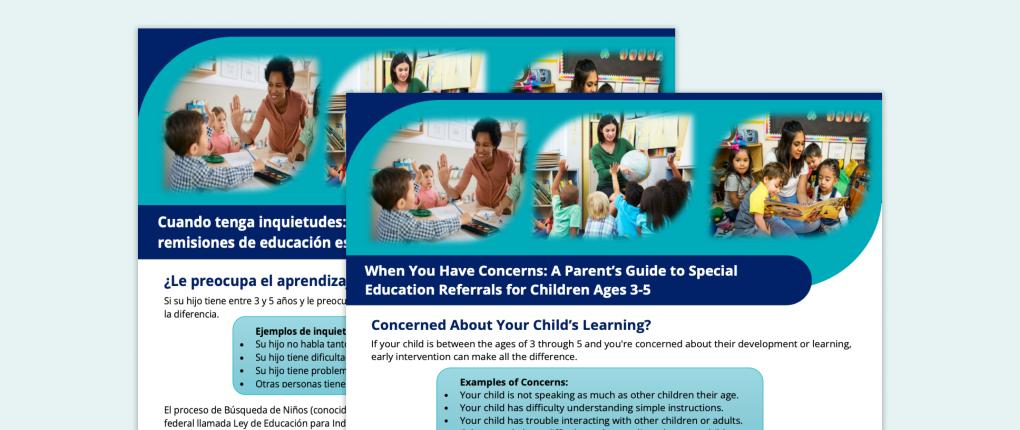
Understanding Parent Rights, Requesting an Evaluation, New to Special Education, Evaluation
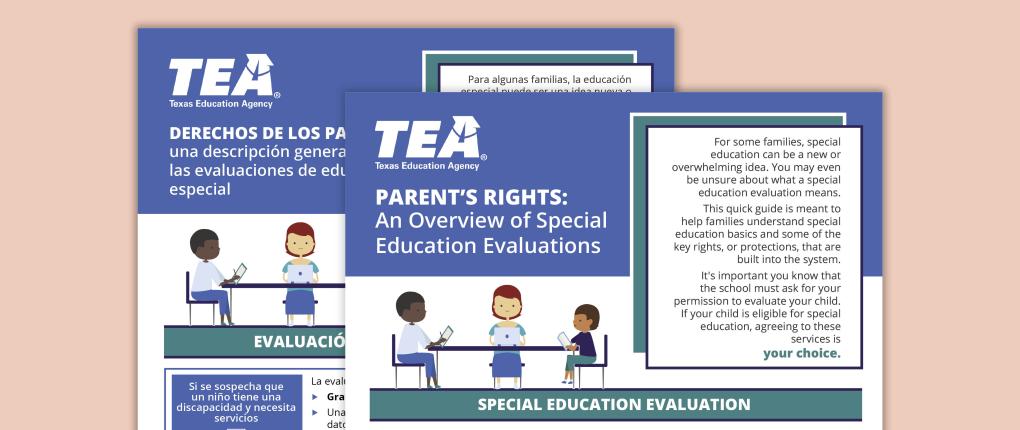
Evaluation, New to Special Education, Understanding Parent Rights

Understanding Parent Rights, New to Special Education